
Important Notice for Live Insect Orders:
Shop healthy plants that are free of chemicals and pesticides
-
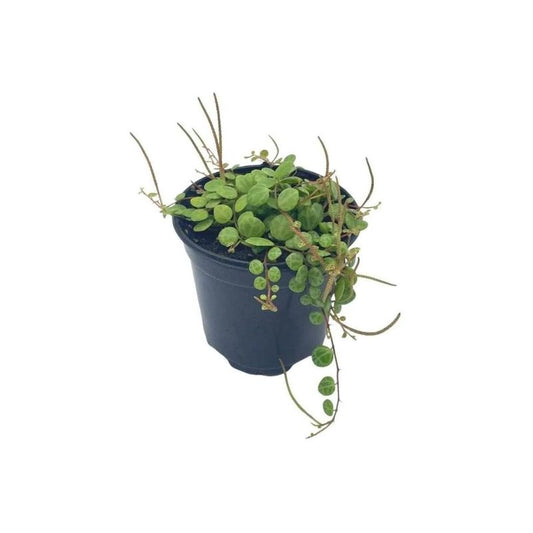
4" String of Turtles, Peperomia Prostrata
Vendor:Heart Leaf TropicalsRegular price $10.00 USDRegular priceUnit price per -
4" Variegated string of Hearts (Creopegia Woodii)
Vendor:Heart Leaf TropicalsRegular price $10.00 USDRegular priceUnit price per -
Variegated Ficus Pumila - 1 Rooted Plugs
Vendor:Heart Leaf TropicalsRegular price $6.00 USDRegular priceUnit price per -
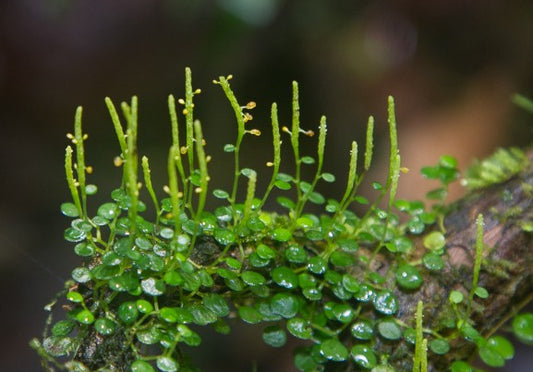
Peperomia emarginella ‘Ecuador’ – Miniature Trailing Peperomia (Tiny Turtles) 3" pot
Vendor:Heart Leaf TropicalsRegular price $20.00 USDRegular priceUnit price per





What should I feed my praying mantis, and how often do they need to eat?
Praying mantises are carnivorous and feed on live prey. Their diet includes small insects like fruit flies, houseflies, crickets, roaches, and mealworms. Hatchlings and nymphs should be fed fruit flies or small prey, while adult mantises can handle larger insects. Feed them every 1–3 days, depending on their size and age. It’s important not to overfeed, as mantises can become obese, which might lead to molting issues.
What type of enclosure is best for a praying mantis, and how big should it be?
The enclosure should be at least three times the mantis’s body length in height and twice as wide. A vertical setup is ideal, as mantises need height for molting. Provide plenty of climbing structures like sticks, mesh, or plants for them to hang from. Ensure the enclosure is ventilated and escape-proof, as mantises are agile climbers.
What temperature and humidity levels are ideal for a praying mantis?
The ideal temperature depends on the species, but most thrive between 70°F to 85°F. Humidity levels should also match their natural habitat: tropical species like orchid mantises need higher humidity (60–80%), while desert species require lower levels (30–50%). Use a hygrometer and thermometer to monitor these conditions, and mist the enclosure lightly as needed to maintain proper humidity.
How can I safely handle a praying mantis without harming it?
Move slowly and gently. Place your hand in front of the mantis and let it walk onto your hand rather than grabbing it. Avoid touching its abdomen, as it can stress the mantis or cause injury. Keep handling to a minimum, as they are delicate and can be harmed easily.
Read more on the FAQs Page
Check the FAQ page here